




We support research that untangles the complex relationships between oceans, land and atmosphere, and the crucial impacts humans and other living things have on the planet's well-being.
With backing from NSF, researchers study short-term weather and long-term environmental patterns, geology and tectonics, ocean sciences and the rapidly changing polar regions. They explore from the Earth's deep core to the space weather generated by the sun. And they investigate the Earth's past to try to project what the future might hold.
What we support

Atmospheric sciences
We support research to understand the behavior of the Earth's atmosphere and its interactions with the sun.
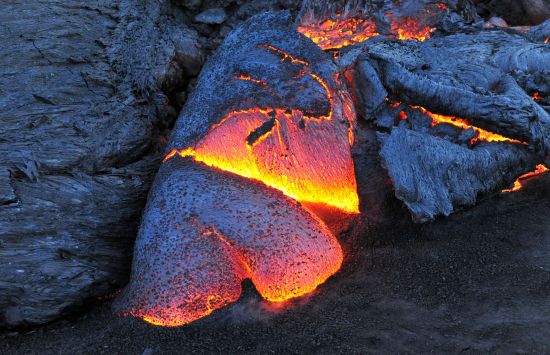
Earth sciences
We support research to improve understanding of the structure, composition, processes and evolution of the Earth.
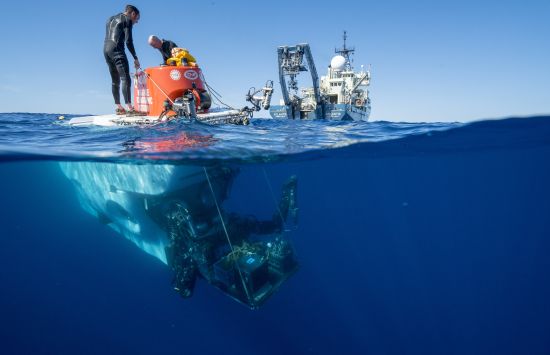
Ocean sciences
We support research and education on all aspects of global oceans and their interactions with the earth and the atmosphere.

Polar research
We support world-class Arctic and Antarctic science through grants, polar facilities and operational support.

Environmental biology
We support evolutionary and ecological research on species, populations, communities and ecosystems.
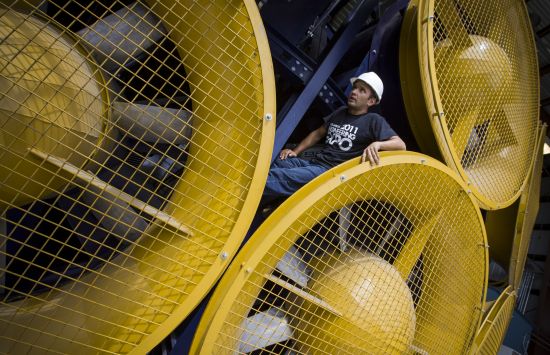
Environmental sustainability
We support transformative research in sustainable engineering and systems that support the natural environment. Our programs include:
Featured news


Educational resources
View lesson plans, activities and multimedia for K–12 audiences that focus on exploring environmental and earth sciences.
View the resources