




We're fueling innovation across the nation with investments that build the next-generation workforce of scientists, engineers, technicians and teachers.
With our support, talented young scientists and engineers have helped devise a sensor that can unlock the potential of exosuits in real-world environments, a model that analyzes how viruses can escape the immune system, and much more. And our research on learning is helping to fuel innovations like AI tutors.
What we support

Research on education and learning
We support research and evaluation of learning and teaching across all STEM disciplines.
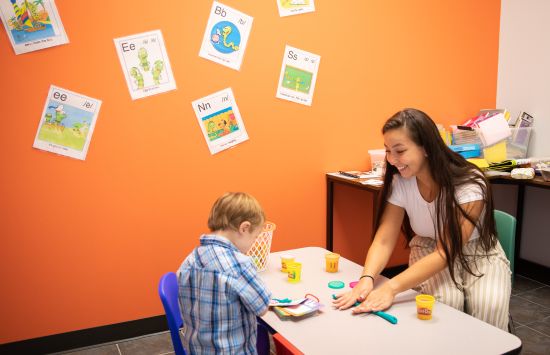
PreK-12 education
We support efforts to enhance preK-12 learning and teaching in STEM: science, technology, engineering and mathematics.
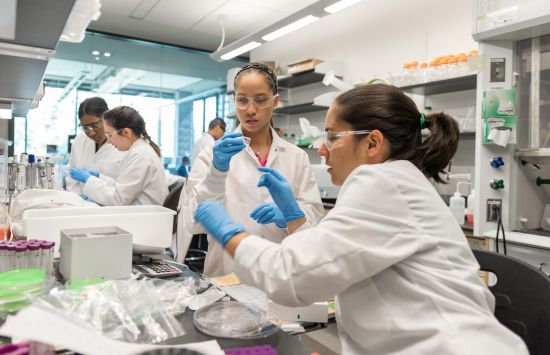
Undergraduate education
We support efforts to strengthen STEM education at two- and four-year colleges and universities.
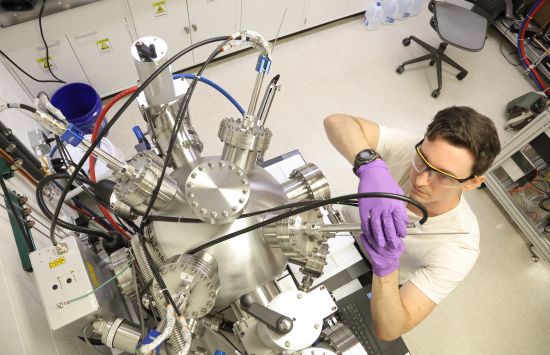
Graduate education
We support efforts that prepare graduate students to be tomorrow's leaders in STEM.
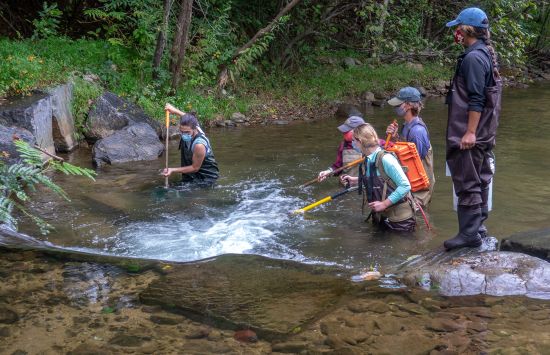
Learning outside the classroom
We support efforts to teach STEM outside formal educational settings, such as through museums, community science projects and digital experiences.
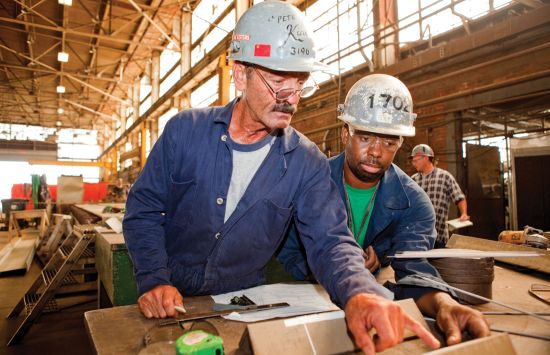
Workforce development
We support efforts that build the STEM-capable U.S. workforce of the future and ensure Americans are prepared to meet evolving workplace demands.
Featured news

Educational resources
View lesson plans, activities and multimedia for K–12 audiences that focus on exploring topics across the fields of science and engineering.