




We support explorations of matter, energy and time and how they interact to shape the physical world.
NSF support for physics research has led to one pivotal achievement after another, from the breathtaking first image of a black hole to discovering how a tissue's microscopic geometry affects the spread of cancer.
Numerous physicists whose careers were launched or supported by NSF have gone on to win the Nobel Prize for groundbreaking discoveries, such as revealing the strange nature of quantum entanglement and the first detection of gravitational waves rippling across space-time.
What we support
We support fundamental and applied research across all areas of physics. Our programs focus on areas such as:
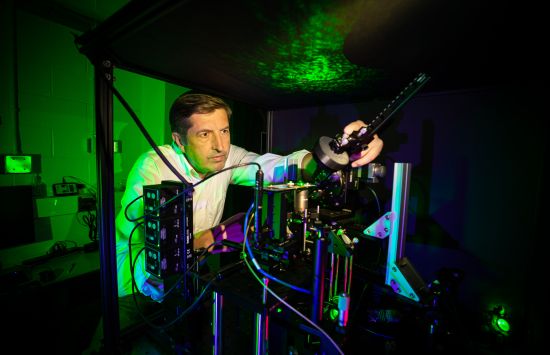
Quantum physics
We support research on the interaction of matter and energy at extremely small scales — where particles can behave like waves, and waves like particles.
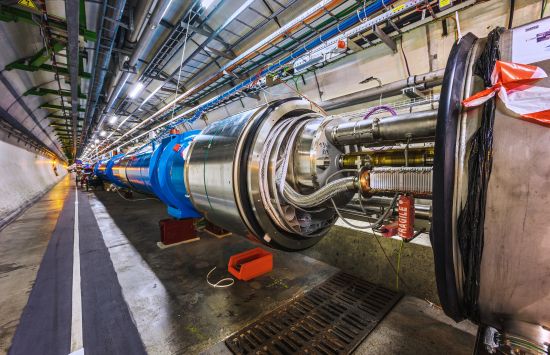
Particle and nuclear physics
We support research on the tiny fundamental particles that form matter and the way they interact to form the physical world.
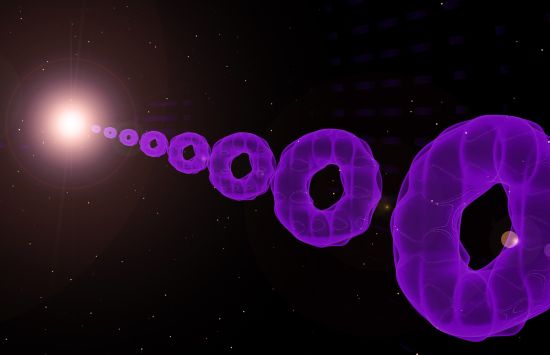
Atomic, molecular and optical physics
We support research on atoms and molecules and how they interact with light.
Plasma physics
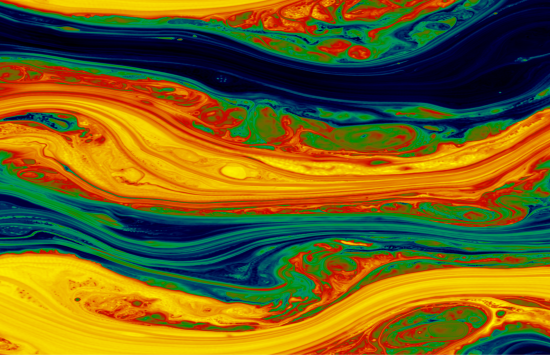
We support research on plasma: the fundamental state of matter thought to make up 99% of the visible universe.
Gravitational physics
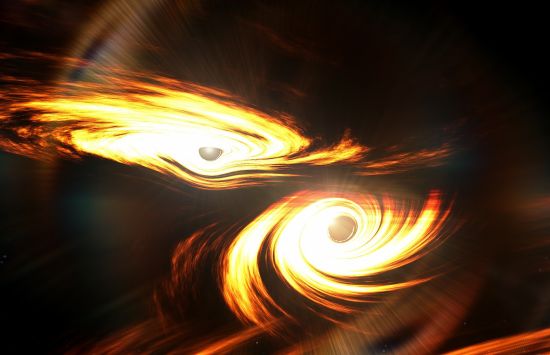
We support research on the general theory of relativity and the nature of space and time.
Physics of living systems
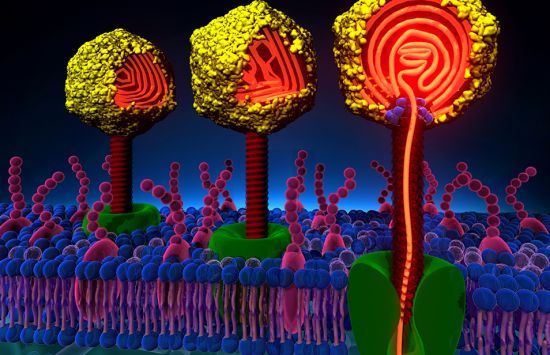
We support research on the fundamental physical building blocks and how they interact to form the diversity of life.
Cosmology
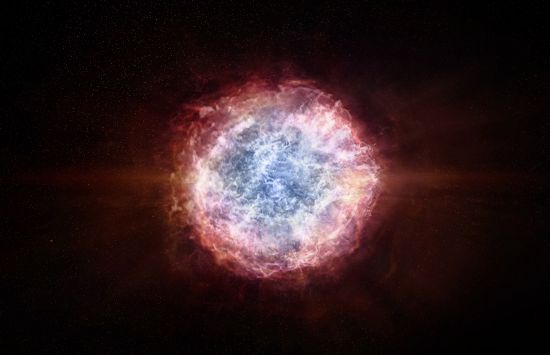
We support research on the origin, evolution and fate of the universe.
Our facilities
We support research centers, user facilities, laboratories and instruments that accelerate discovery, spark the imaginations of students and address societal challenges. Our facilities include:
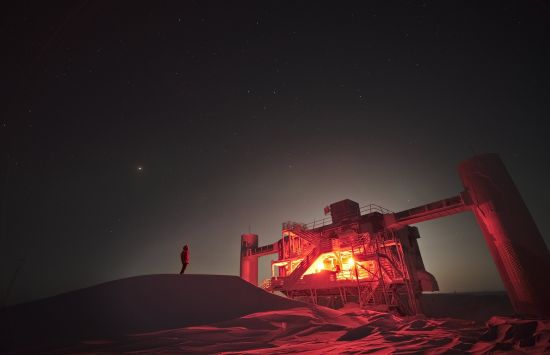
IceCube Neutrino Observatory
NSF's IceCube Neutrino Observatory is an enormous and unusual telescope: a grid of thousands of sensors embedded in a cubic kilometer of ice deep in the Antarctic ice sheet that allows it to detect tiny, elusive neutrinos — the least understood particles in the Standard Model of particle physics.
Large Hadron Collider
NSF supports two particle physics detectors — ATLAS and CMS — at the Large Hadron Collider in Switzerland. LHC is the most powerful particle accelerator ever constructed, making it the premier facility in the world for research in elementary particle physics.
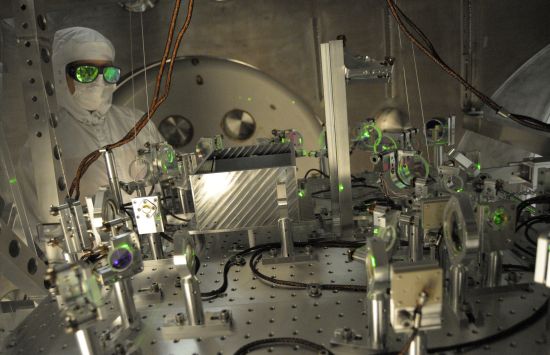
Laser Interferometer Gravitational-wave Observatory
LIGO is the most sophisticated detector of its kind ever created. In 2015, mere days after its advanced instruments were switched on, LIGO detected gravitational waves for the first time, confirming a major prediction of Albert Einstein's 1915 general theory of relativity.
Featured news

Educational resources
View lesson plans, activities and multimedia for K–12 audiences that focus on exploring matter, energy and time.
View the resources