




NSF EPSCoR project builds new data tools and partnerships to advance tick-borne disease research
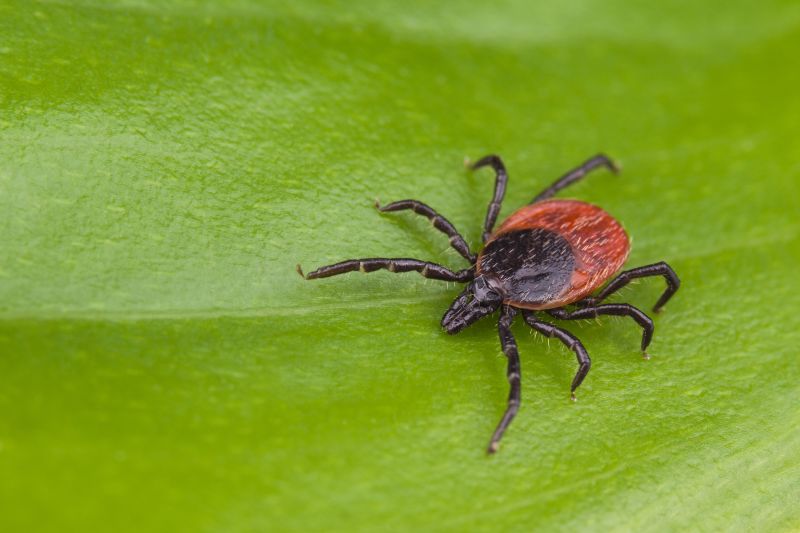
Tick-borne diseases stem from a complex web of factors, including land use, ecosystems, wildlife hosts, and the pathogens ticks carry. Understanding those relationships requires researchers to combine data collected by different scientists, organizations, and agencies — often using different methods and formats.
A $6.4 million NSF Established Program to Stimulate Competitive Research (NSF EPSCoR) award supported TickBase, a research, data science, and cyberinfrastructure project at the University of Idaho that brought together researchers from Idaho, Nevada, New Hampshire, and New Mexico to improve predictions of tick-borne disease patterns and dynamics.
Through TickBase, researchers worked across institutions and disciplines to integrate disparate datasets and make them more findable, accessible, interoperable, and reusable — the principles known as FAIR data. By connecting environmental, ecological, and disease data, the project enabled researchers to explore questions that would be difficult to answer with any single dataset. The project also created a lasting data resource that allows researchers to explore tick-related datasets and relationships.
One research team published findings on how land use, habitat, host ecology, and other factors shape the distribution of western black-legged ticks (Ixodes pacificus) and the pathogens they carry across the western United States, highlighting the importance of integrating data and expertise across disciplines to understand complex disease dynamics across diverse landscapes.
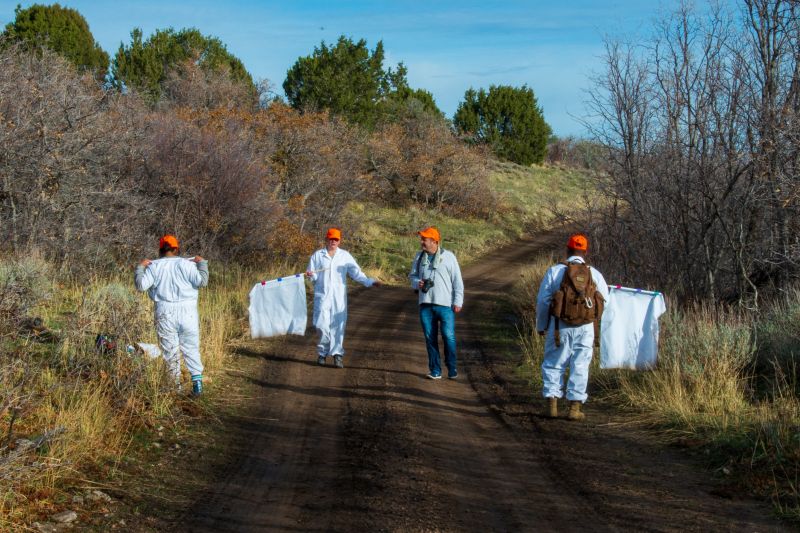
Another team combined tick surveillance data from Connecticut, Maine, New Hampshire, New York, and Vermont spanning 1989-2021 to harmonize data on deer ticks (Ixodes scapularis) abundance and pathogen prevalence. The results included the creation of the most comprehensive spatial and temporal datasets of tick abundance and pathogen prevalence in the U.S. The study also underscored the challenges of integrating long-term surveillance data collected using different methods, while showing how harmonized datasets can reveal broader patterns and support models of tick ecology and population dynamics.
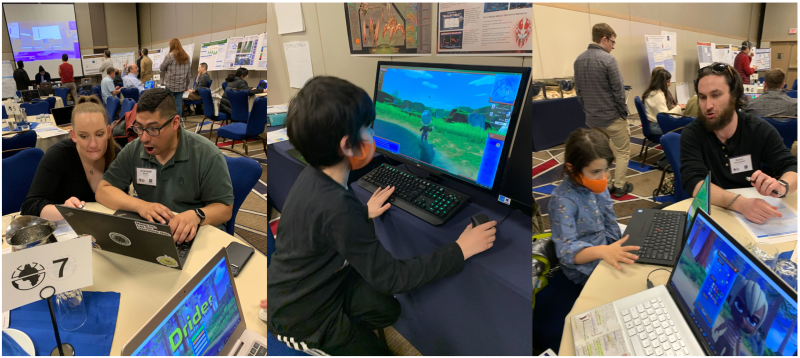
TickBase also extended beyond research infrastructure. Through Project Drider, researchers and game developers created an interactive educational experience designed to teach young children about ticks and tick-borne diseases. The game introduces children to tick habitats, animals that carry ticks, tick collection, and practices for reducing the risk of tick exposure, extending beyond individual research projects.
The broader NSF EPSCoR investment in TickBase supported opportunities for students and early-career researchers to work at the intersection of data science, geospatial analysis, and environmental health. An EPSCoR-supported summer internship program, for example, introduced undergraduate students to geographic information science and its applications to environmental health research.
TickBase project lead and data scientist Xiaogang "Marshall" Ma joined the university in 2016 through an Idaho EPSCoR project, building collaborations across disciplines and institutions. Ma has since led more than $10 million in research grants, demonstrating how EPSCoR investments continue to help build lasting research capacity at the University of Idaho.
TickBase also illustrates the broader goal of EPSCoR: strengthening research capacity and scientific competitiveness by connecting researchers, institutions, and communities that might otherwise work separately. In the case of tick-borne disease, those connections matter. By bringing data, researchers, and disciplines together, the EPSCoR investment helped create the infrastructure for studying those connections and laid the foundation for future research on the changing dynamics of tick-borne disease.