




Channels deep in the Earth could explain dramatic landscapes in the western U.S.
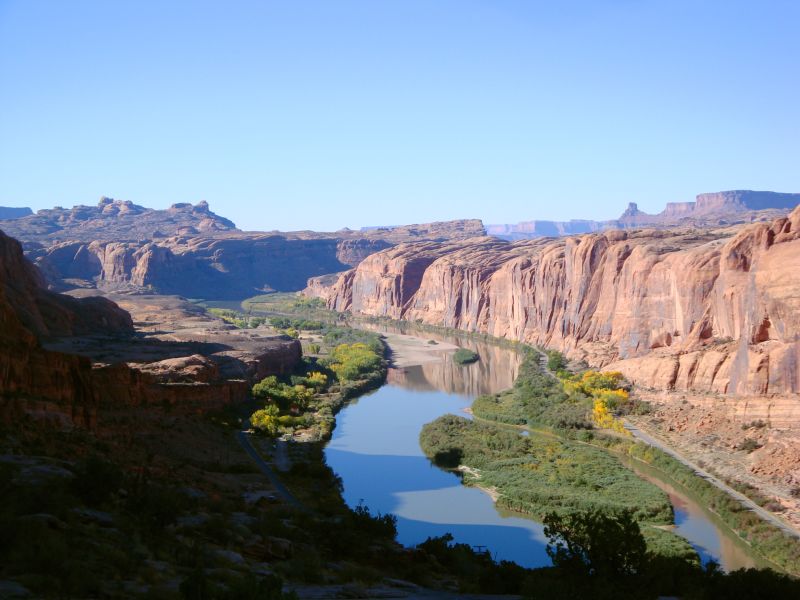
Hot, flowing mantle rock beneath the western North American continent is carving deep channels hundreds of miles into cratons, the ancient rock that has stabilized the continent for billions of years. Researchers with support from the U.S. National Science Foundation found that this flow may help explain the uplift of the Colorado Plateau, the migration of volcanic activity across the region, and the location of valuable ore deposits in the upper crust.
Cratons extend over 100 miles into the Earth, forming a cold, rigid foundation. The research team focused on the western margin of the North American craton, where the old, thick rock meets the younger, thinner and more tectonically active sections of the western U.S.
Using a technique similar to ultrasound imaging, researchers "listened" to Earth's natural background vibrations and built a high-definition 3D image of what's happening beneath the western U.S. Because seismic waves travel faster through cold, strong rock and slower through warmer, weaker or chemically altered rock, variations in wave speed reveal where the continental rock is being modified.
Researchers found that hot, flowing mantle is crossing the ancient and new rock meeting point, weakening the craton from the side and carving deeper channels into the continent.
As the mantle rock heats, hydrates and chemically alters the craton, the altered material becomes dense enough to sink deeper into the Earth. Lighter materials rise to fill its place, pushing up the crust and leading to dramatic landscapes like the Colorado Plateau and volcanic activity across the region.
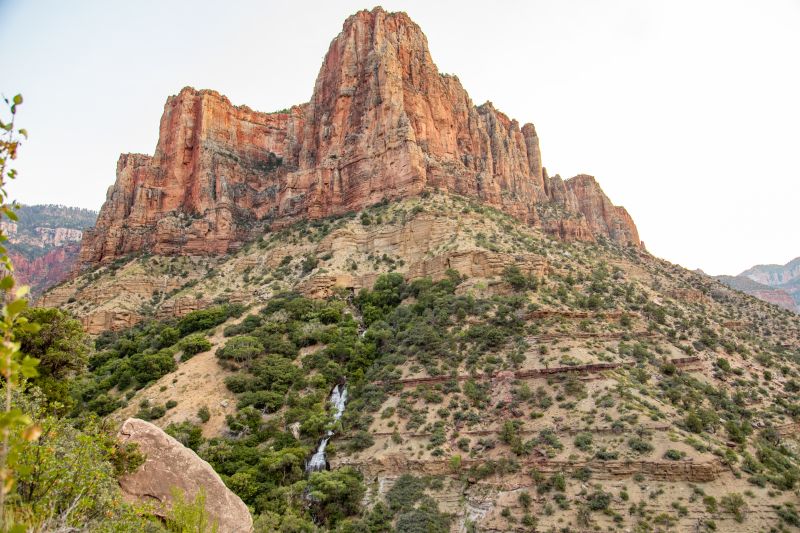
Although these processes unfold over millions of years and do not point to immediate hazards, the finding may improve long-term models of tectonic stress in the western U.S. and help explain how stress is distributed across the continent.
The research may also help scientists better understand where valuable ore deposits could be concentrated in the upper crust by imaging where the channels have carried heat and fluids into the continent.
Read the full story.