



Researchers find a new way to monitor natural hazards with fiber-optic cables
NSF-supported researchers are using innovative distributed acoustic sensing methods to reveal new information about natural hazards, protecting lives and bolstering national security
Over the last several years, the U.S. National Science Foundation has invested in a revolutionary technique called distributed acoustic sensing (DAS), which detects ground vibrations even smaller than those humans can detect. DAS has the potential to provide state-of-the-art monitoring of natural hazards, such as earthquakes, volcanoes and floods, and to enhance early warning systems that save lives, strengthen communities and protect infrastructure.
"NSF investments into novel uses for DAS help us monitor our dynamic planet and lower risks associated with hazards," said Wendy Panero, program officer in the NSF Directorate for Geosciences. "As we continue to support collaborations and tools for data interpretation, we foresee that DAS will continue to transform our ability to monitor our planet in real time."
What is DAS?
DAS uses existing underground fiber-optic cables, like the telecommunications cables that carry internet traffic and phone calls, to detect acoustic signals, such as sound waves, along their entire length. Researchers use DAS to collect real-time, high-resolution observations without disrupting the telecommunication system.
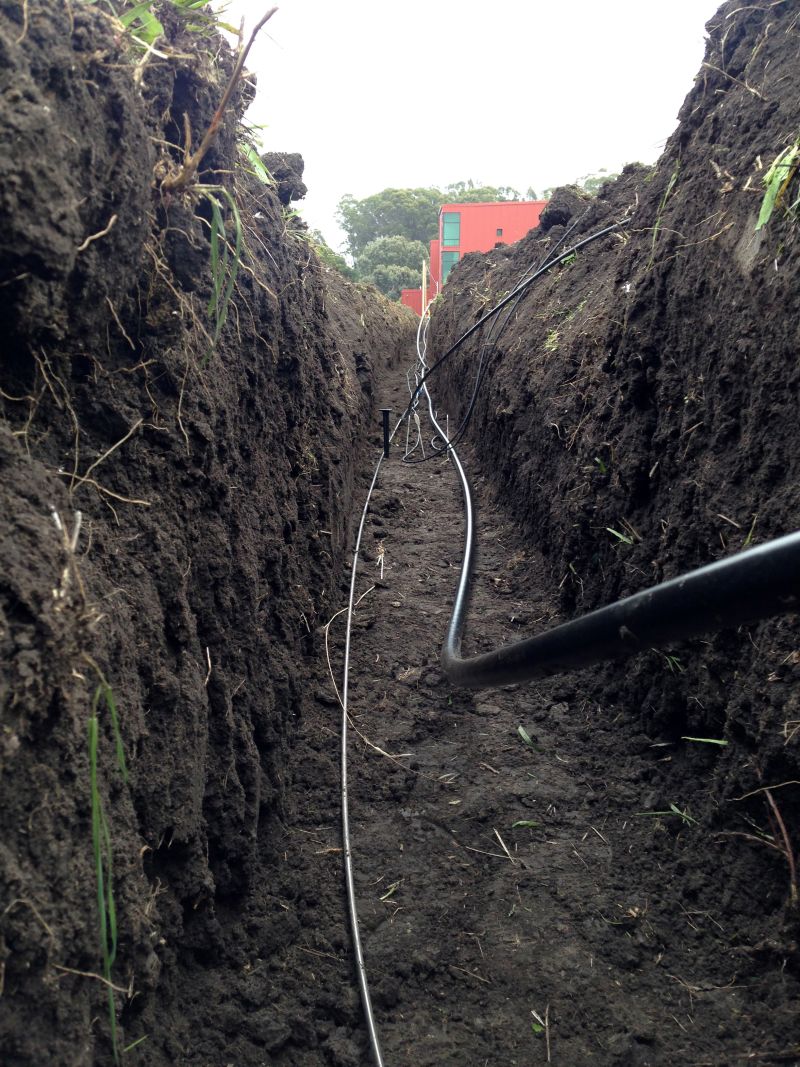
DAS uses a device called an interrogator to repeatedly send light pulses through existing underground fiber-optic cables. Some of this light gets reflected to the interrogator. Different types of movements, such as earthquakes or hydrological events, perturb the fibers in the cable, changing the pattern of the reflected light. The interrogator analyzes these changes, providing insight into geological activity.
Fiber-optic cables are nearly ubiquitous, and they can withstand extreme environments, such as high temperatures and pressures, making DAS ideal for acoustic monitoring over large areas and in remote locations. When needed, DAS fiber can also be deployed in customized surveys when existing cables are not present.
A seismic improvement
Traditionally, seismometers are used to record ground motions from earthquakes. These instruments take measurements at a single point, whereas a fiber-optic cable essentially provides a long, continuous sensor with the potential for higher-resolution measurements taken over a larger area.
In 2021, NSF-supported researchers demonstrated that DAS can help inform and enhance earthquake early warning efforts. Using DAS along sections of telecommunication fiber in central and southern California, they extracted characteristics of a magnitude 6 earthquake at a level of detail equivalent to that of 10,000 seismometers — including a more precise epicenter and detailed information about the fault system.
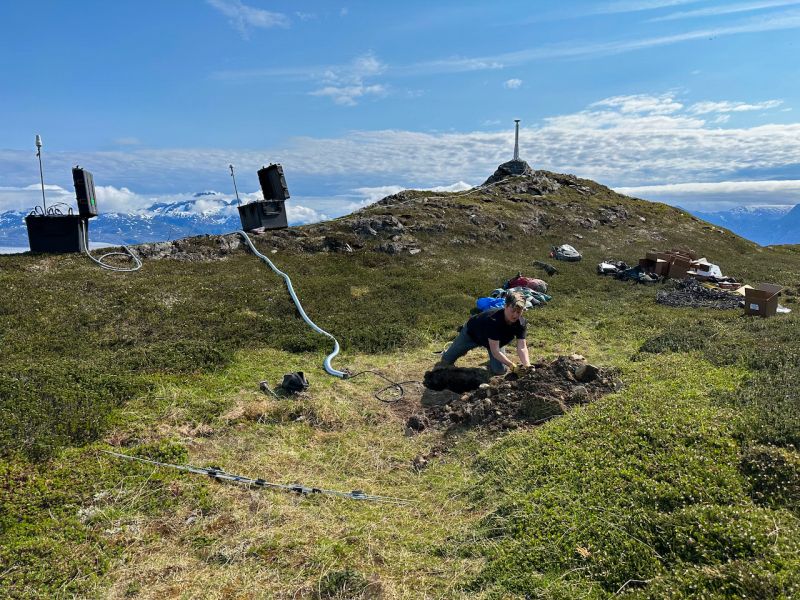
Research-grade seismometers vary in capability and cost, ranging from $1,000 to $40,000. A DAS interrogator on an existing telecommunications line can cost approximately $200,000 or more, but it transforms the connected fiber into a whole network of sensors. Researchers use DAS to detect fainter signals, revealing smaller earthquakes and other natural and human-caused signals that would normally be missed.
DAS interrogators can operate from a single location to cover a wide area or be moved from location to location for targeted studies. In addition to the potential cost savings of leveraging existing infrastructure, the broader coverage of DAS relative to conventional seismometers offers novel ways to deepen understanding of earthquake dynamics and enhance early warning systems, protecting lives and property and enhancing national security.
Volcanic transformation
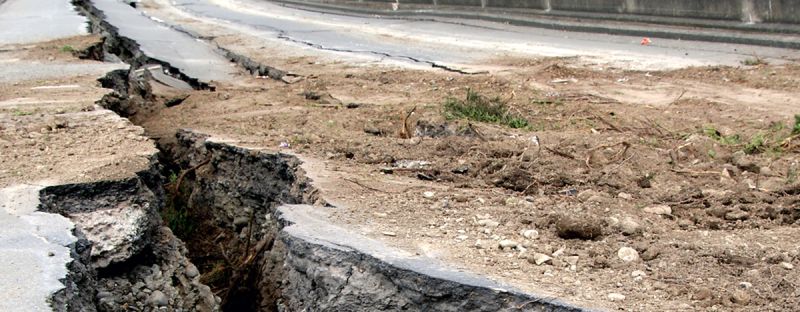
Tracking the flow of magma can help forecast volcanic eruptions, but even the best methods using satellite observations can take days to produce measurements, making it difficult to predict whether an eruption will occur and impossible to issue timely warnings.
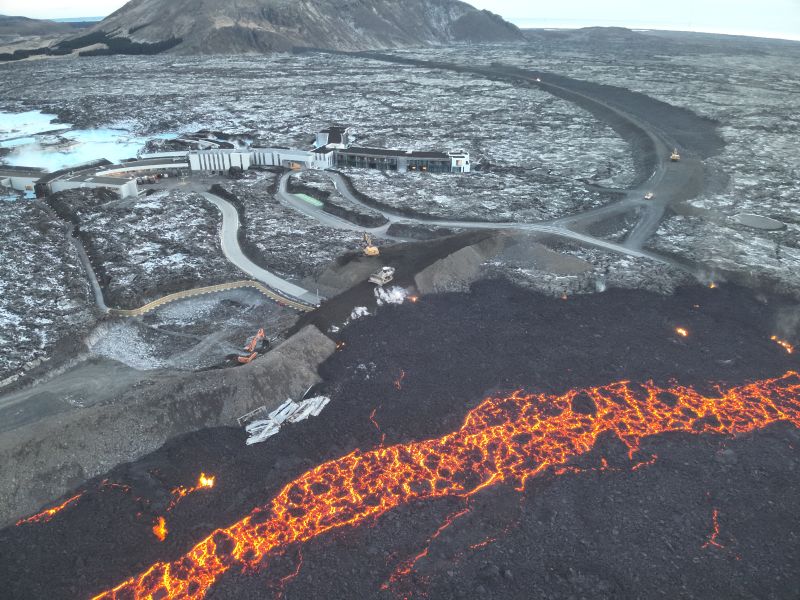
In 2023 and 2024, NSF-supported researchers collaborated with scientists in Iceland to conduct DAS monitoring with existing fiber cables in Iceland's Reykjanes Peninsula. The team repeatedly detected signals caused by ground deformation from magma movement. These observations from DAS measurements enabled researchers to measure volcanic activity at resolutions unattainable with conventional technologies, allowing them to develop a novel early warning system for this economically vital region of Iceland.
This system was behind an evacuation warning issued 26 minutes before a major eruption near the town of Grindavík, Iceland, providing time for thousands of nearby residents to reach safety. These methods may be transferable to other volcanic regions with similar infrastructure.
A sea change
Monitoring seismic activity on the seafloor is crucial for detecting offshore earthquakes and tsunami threats. However, deploying and maintaining geophysical instruments on the seafloor is difficult and expensive; consequently, large regions of the ocean lack sufficient seismic monitoring.
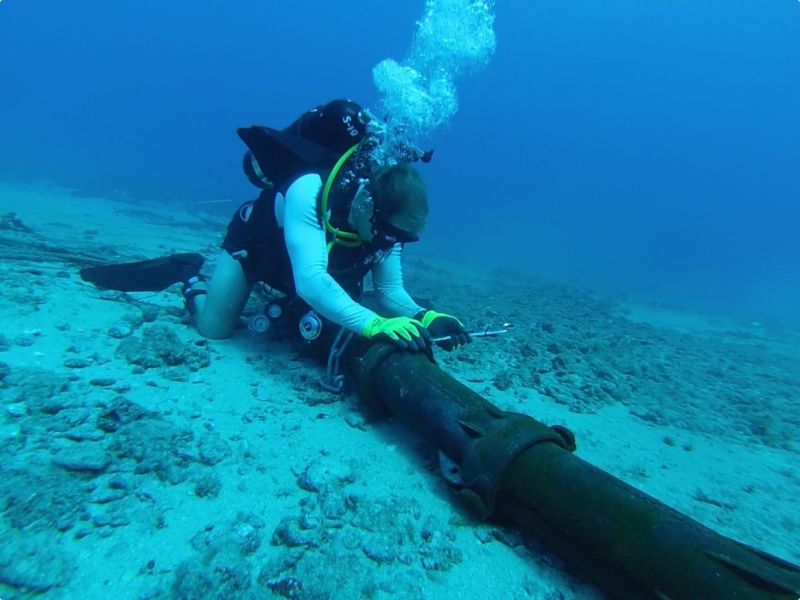
In a 2021 initial study and a 2024 follow-up, researchers with the NSF Ocean Observatories Initiative demonstrated the feasibility of using submarine fiber-optic cables to make DAS observations.
With such cables already installed around the world, DAS could provide a viable, low-cost solution for long-term seafloor monitoring to reduce gaps in coverage. This transformative technique will pave the way to faster offshore earthquake and tsunami detection and improved warning times, protecting lives, safeguarding infrastructure and bolstering coastal economies.
Staying ahead of the storm
Stormwater-induced hazards, such as floods, landslides and sinkholes, often originate from failed drainage systems or geological activity below ground, making them difficult to detect and expensive to monitor. To address these challenges, NSF-supported researchers are leveraging the existing telecommunication fiber-optic infrastructure in Pittsburgh as a novel underground sensor network to monitor for stormwater-related hazards.
The researchers partnered with city and infrastructure managers as well as telecommunications companies to use DAS to detect early warning signs, such as soil shifts that precede landslides or pressure changes that indicate pipe leaks. Such early detection allows them to mitigate hazards before they turn into expensive disasters. DAS provides monitoring over a larger area, at a higher resolution and a fraction of the cost of existing methods, highlighting its potential for widespread adoption and enabling timely interventions that protect infrastructure, enhance safety and strengthen local economies throughout the U.S.
DAS for all
As the potential applications for DAS techniques are realized, NSF is ensuring that scientists and engineers can access and apply this wealth of information. The NSF DAS Research Coordination Network has enabled scientists to collaborate on processing DAS data sets more efficiently, which are vast and often cumbersome, using machine learning tools.
In addition, the NSF-supported Center for Transformative Environmental Monitoring makes DAS instrumentation available for new projects, particularly those in areas where existing infrastructure may not be available. The recently awarded NSF National Geophysical Facility is also developing capabilities to support research projects using DAS equipment and datasets.
Finally, the DAS Data Analysis Ecosystem provides open-source software to read, visualize and analyze large-scale DAS data. These investments save resources and lower the barrier to entry for the growing number of DAS users, opening unprecedented opportunities for hazard assessment and maximizing the societal benefits of DAS.
"NSF looks forward to continuing to foster projects that help optimize and apply DAS technology to answer fundamental research questions, support scientific education and training, and improve natural hazard monitoring," said Andy Frassetto, program officer in the NSF Directorate for Geosciences.