




Credit: Graphic by U.S. National Science Foundation/Image: NSF-DOE Vera C. Rubin Observatory/H. Stockebrand
Download a high-resolution version of this image (JPEG, 4.4MB)
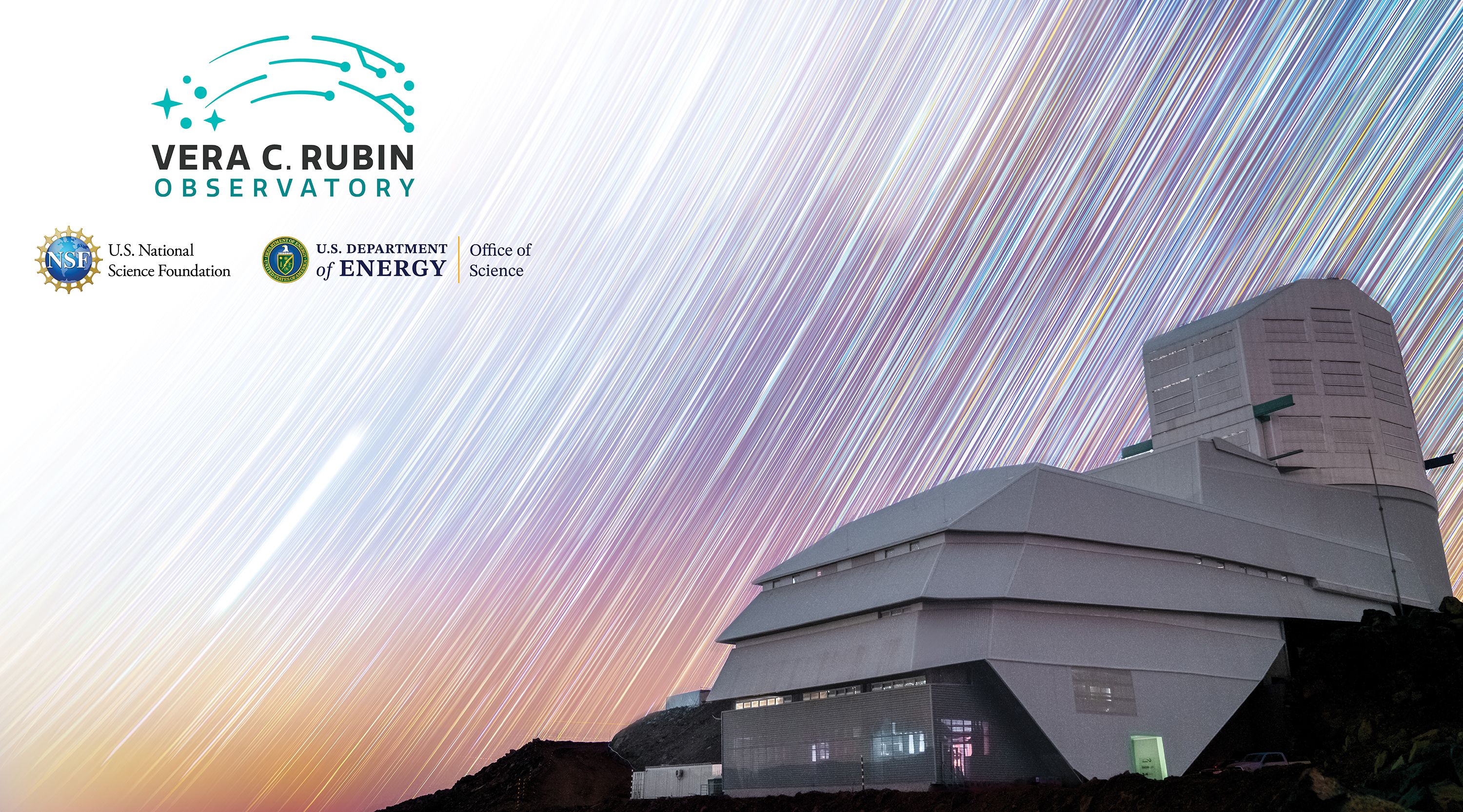
NSF–DOE Vera C. Rubin Observatory comes to life

Credit: NRAO/AUI/NSF, Jeff Hellerman (Creative Commons Attribution 3.0 Unported -- CC BY 3.0).
Download a high-resolution version of this image (JPEG, 1.6MB)


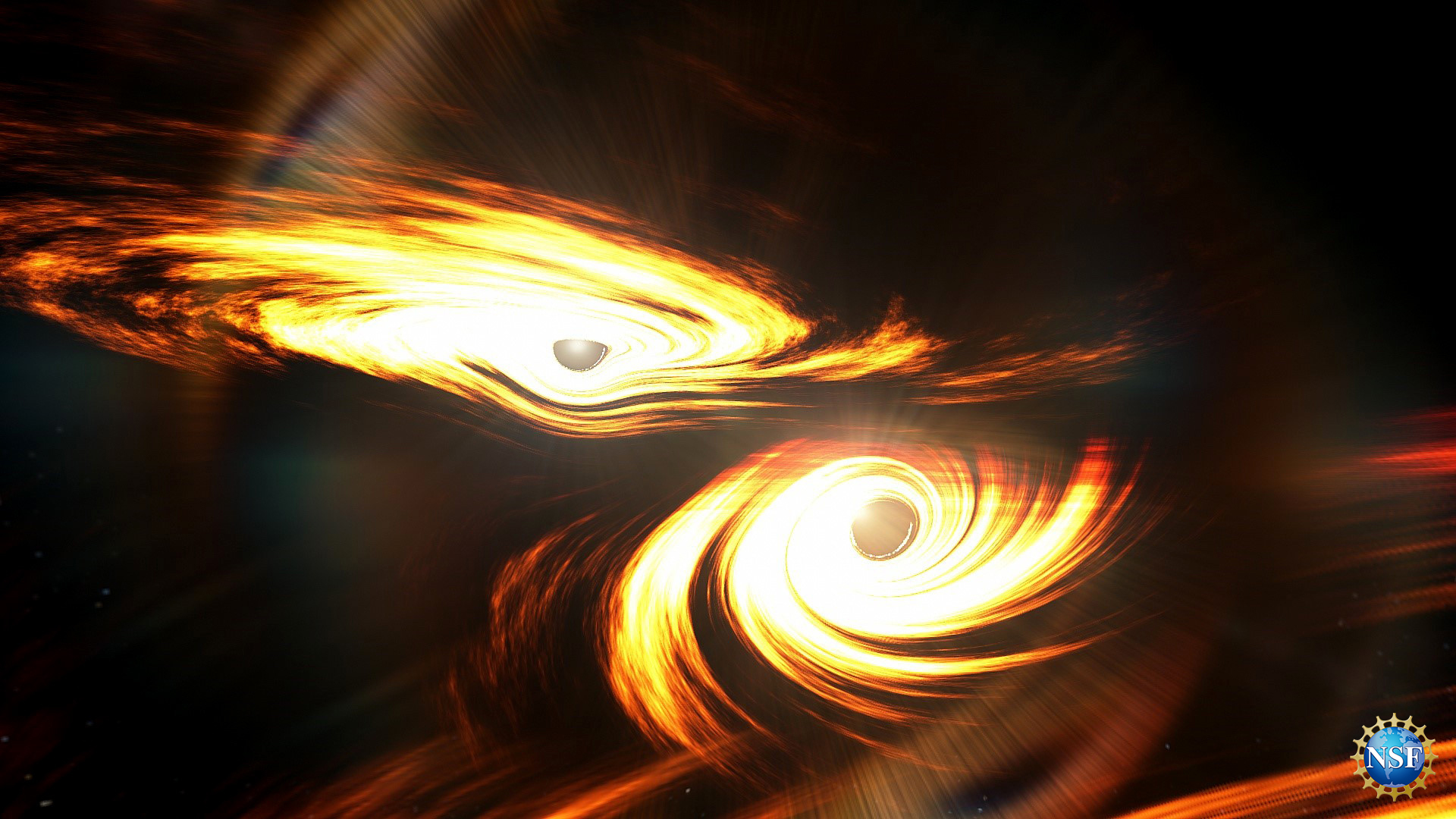
Credit: Mark Myers, ARC Centre of Excellence for GravitationalWave Discovery (OzGrav)/Swinburne University
Download a high-resolution version of this image (JPEG, 0.8MB)

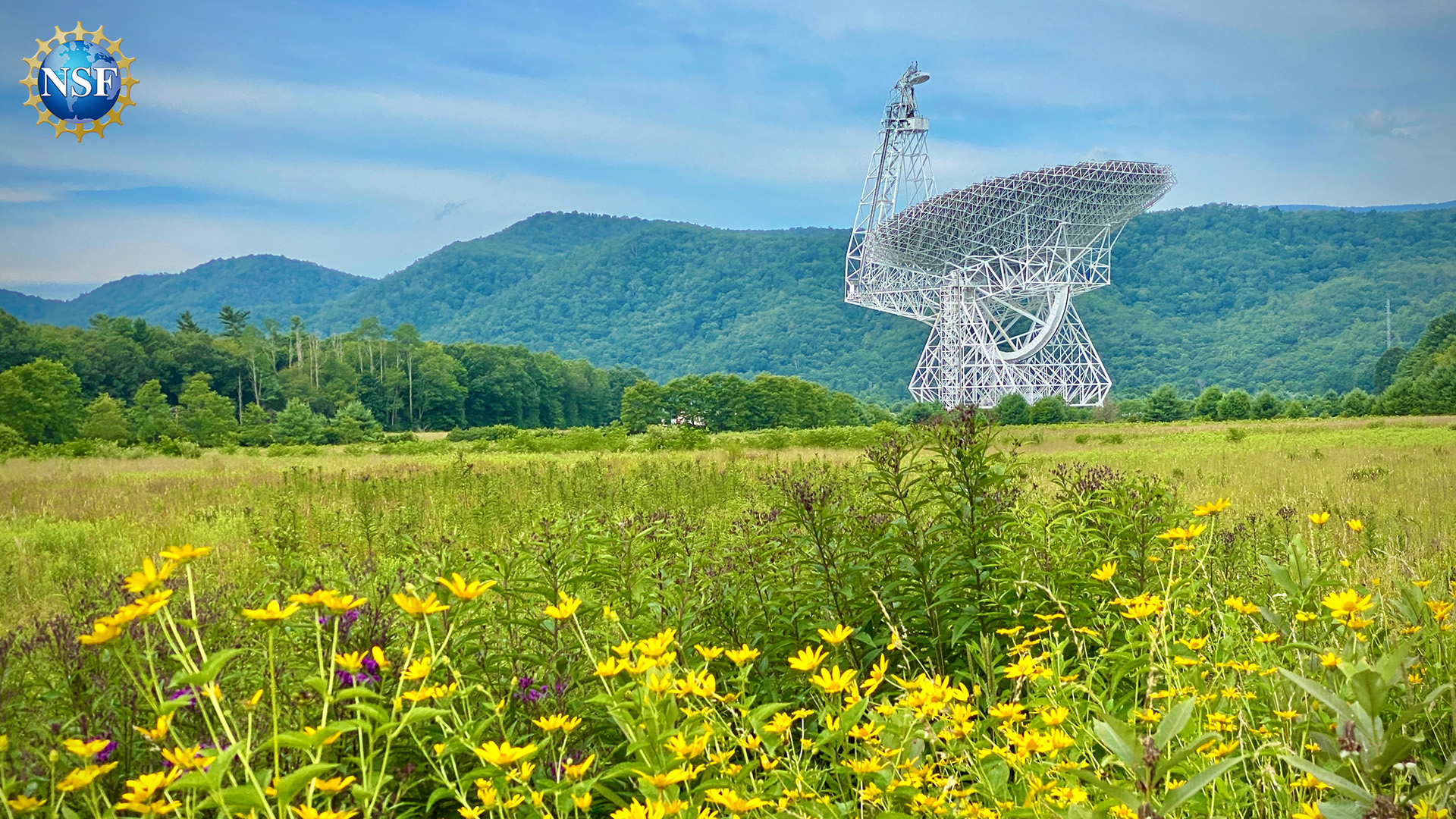
Credit: NSF/GBO 20; photo by Jill Malusky
Download a high-resolution version of this image (JPEG, 1MB)

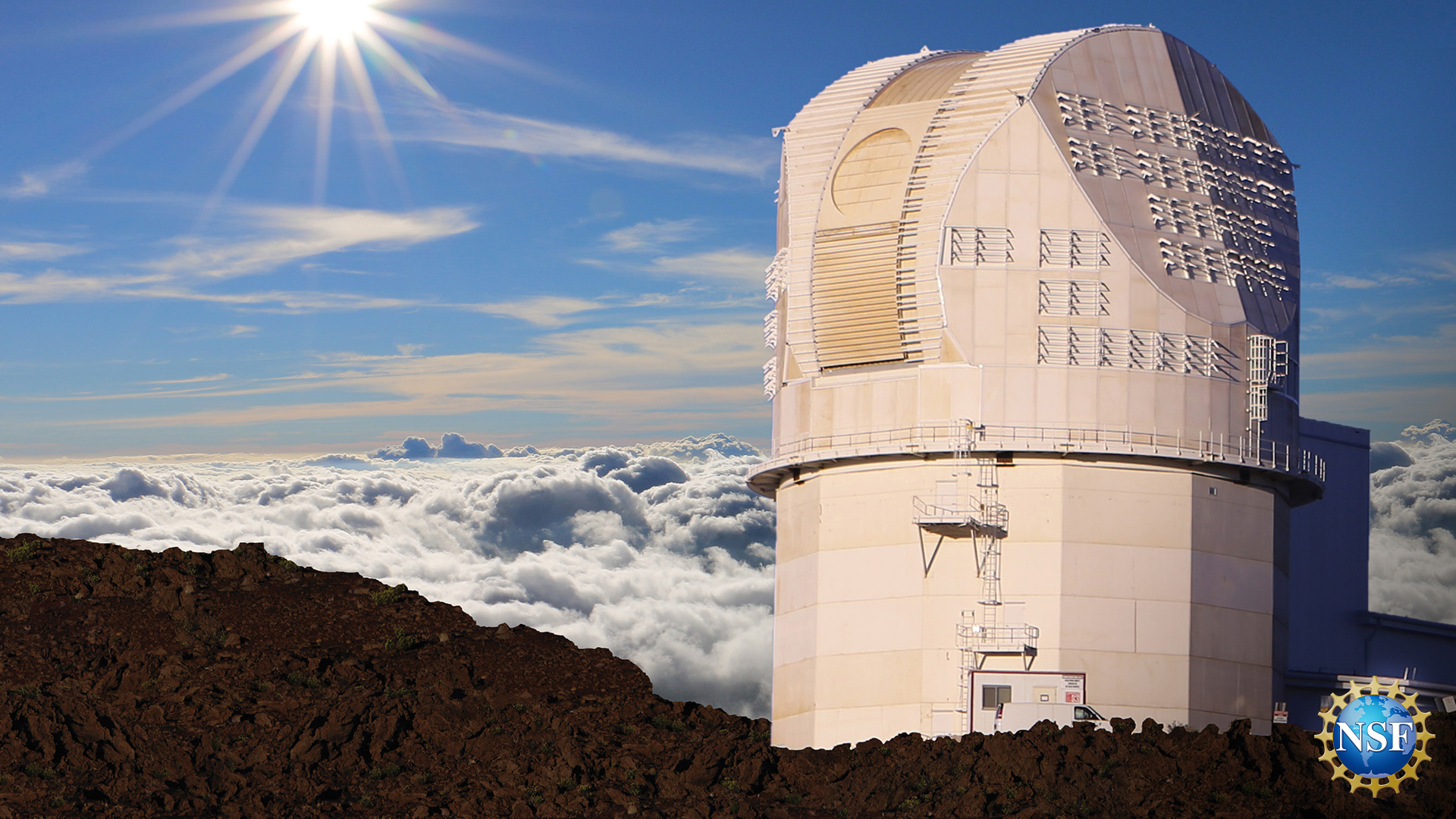
Credit: NSO/AURA/NSF
Download a high-resolution version of this image (JPEG, 0.6MB)

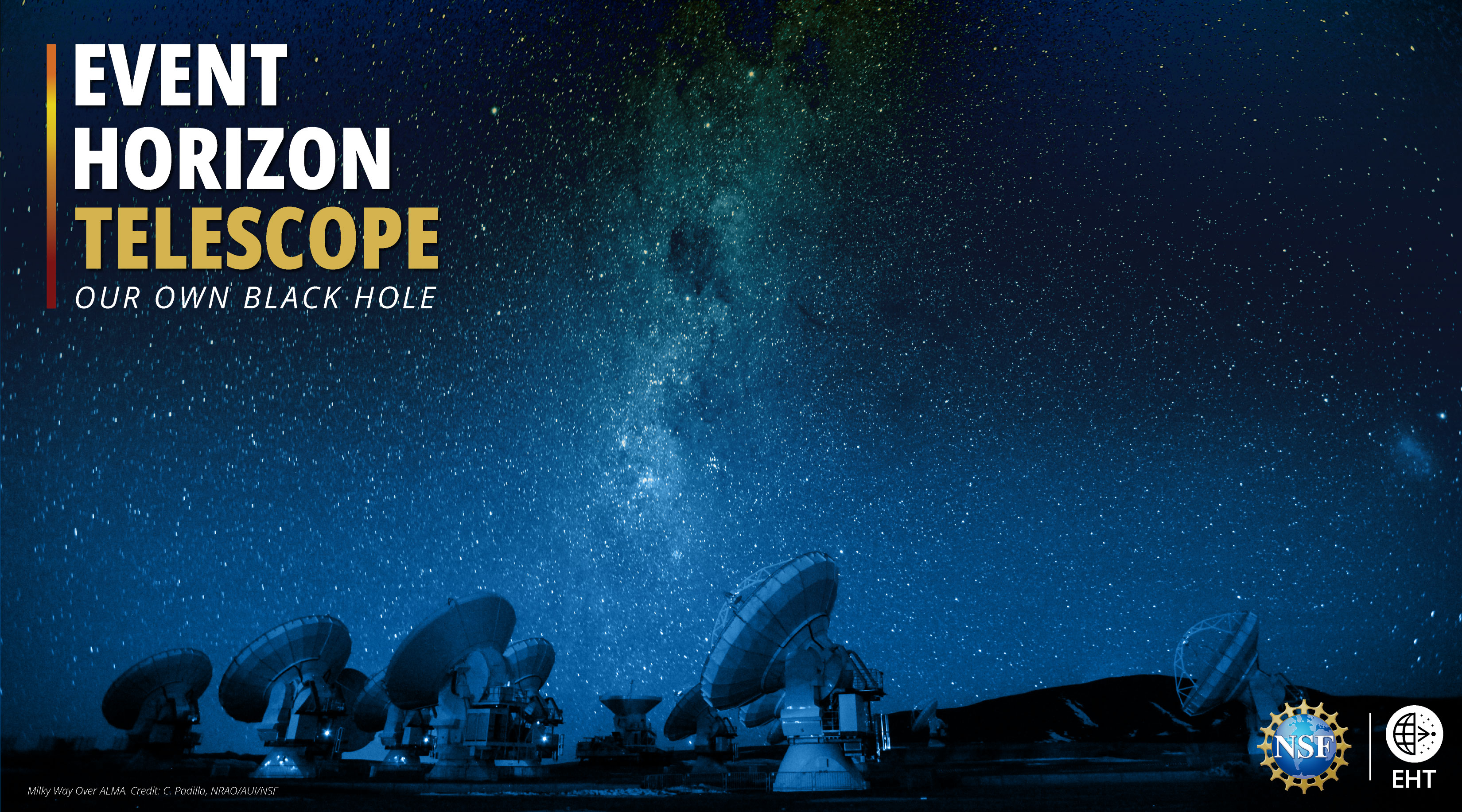
Credit: C. Padilla, NRAO/AUI/National Science Foundation
Download a high-resolution version of this image (JPEG, 1.3MB)

Credit: O. Bonin/SLAC National Accelerator Laboratory
Download a high-resolution version of this image (JPEG, 1.2MB)
