




The U.S. National Science Foundation Directorate for Engineering Office of Emerging Frontiers and Multidisciplinary Activities (NSF EFMA) strategically invests in important emerging areas of engineering research and education and in bold, innovative engineering projects that address national needs or grand challenges.
Investments led by the NSF ENG Office of Emerging Frontiers and Multidisciplinary Activities (NSF EFMA) light new paths for advancing critical and emerging technologies, health and biotechnology, and the long-term competitiveness of the nation. They help prepare students across the U.S. to lead at the forefront of engineering and create solutions to complex, multidisciplinary challenges.
 On this page
What we support
NSF ENG investments in emerging frontiers and multidisciplinary activities expand what’s possible through engineering and address national needs.
Advances in fundamental engineering are essential for powerful and efficient future computing, unprecedented quantum systems, life-changing biomedical advances and other critical technologies. Learn about some of our areas of interest:
EFMA programs
EFMA programs target long-term challenges while retaining the agility to adapt as new challenges demand.
NSF Emerging Frontiers of Research and Innovation
The NSF Emerging Frontiers in Research and Innovation (NSF EFRI) program provides critical, strategic support for fundamental discovery at the frontiers of engineering research and education.
The NSF EFRI program invests in proposals testing potentially transformative ideas that represent an opportunity for a significant shift in fundamental engineering knowledge with strong potential for societal impacts. The program supports research areas that do not fit within the scope of an existing NSF program and are often at the intersection of multiple fields.
The program solicits proposals via periodically released funding opportunities addressing specific topics that:
- Hold the potential for transformative outcomes benefiting society.
- Address a national need or grand societal challenge.
- Involve a multi- or interdisciplinary research approach.
- Include a community poised to respond.
- Offer a clear leadership role for engineering.
With the creation of tools, methods and technologies, EFRI projects have opened new areas for engineering exploration. These include secure quantum communication, biomanufacturing, infrastructure resilience, origami-based engineering design, 2D materials for electronic devices and more.
The current EFRI topic is Wave-Based Computing (WBC).
Recent EFRI topics include:
- Biocomputing through EnGINeering Organoid Intelligence (BEGIN OI).
- Engineered Living Systems (ELiS).
- Brain-Inspired Dynamics for Engineering Energy-Efficient Circuits and Artificial Intelligence (BRAID).
- Distributed Chemical Manufacturing (DCheM).
- Engineering the Elimination of End-of-Life Plastics (E3P).
To help identify, evaluate and prioritize emerging topic areas, the EFRI program seeks continual input from the engineering community. Opportunities for input include workshops, technical and professional meetings, and NSF proposals and awards. In addition, EFMA periodically calls for EFRI topic ideas from the community.
NSF TRAILBLAZER
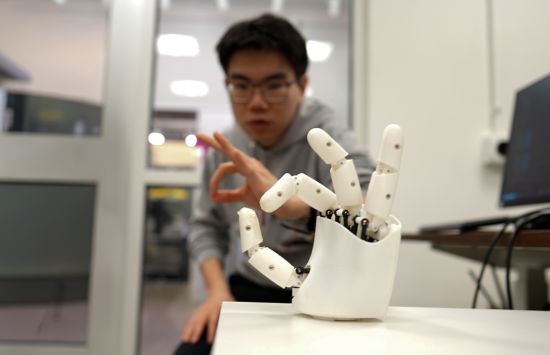
The NSF Trailblazer Engineering Impact Award (NSF TRAILBLAZER) supports individual engineers with established records of creativity and paradigm-shifting outcomes to pursue novel engineering research that will open unexplored frontiers. TRAILBLAZER research projects show potential for national impacts and greater competitiveness by:
- Innovatively and creatively addressing new areas of fundamental or applied research.
- Catalyzing new industries or capabilities that increase the leadership position of the country.
- Making significant progress towards addressing a national need or grand challenge, particularly in national priorities.
Recent TRAILBLAZER projects are breaking new ground in advanced manufacturing, AI, biotechnology, quantum technology and other areas.

Other EFMA Activities
Engineering Research Visioning Alliance
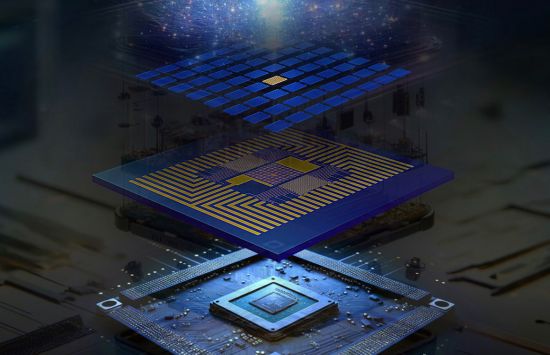
With EFMA support, the Engineering Research Visioning Alliance (ERVA) identifies bold engineering research directions that will benefit society and catalyze the engineering research community's pursuit of innovative, high-impact research.
Personalized Engineering Learning
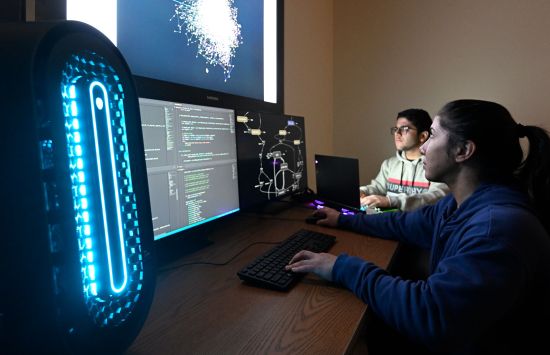
EFMA led the Personalized Engineering Learning (PEL) Ideas Lab, which supported engineering education research to enable advanced personalization in pedagogy and assessment in a K-12 or higher education context.
NSF Germination of Research Questions for Addressing Critical Societal Challenges
EFMA has led the NSF Germination of Research Questions for Addressing Critical Societal Challenges (NSF GERMINATION) program. NSF GERMINATION supports research on pedagogical frameworks, platforms and/or environments that help participants develop research questions and ideas with the potential to address critical societal challenges.
Stay connected
Subscribe to email updates from ENG
Get news on funding opportunities, upcoming events and research highlights.
Become a reviewer
Gain insights into the NSF merit review criteria and what makes a good proposal to NSF.
Find funding and contact a program director
Search for programs and funding opportunities and find contact information for program directors. See also "5 tips on how to work with an NSF program officer."
Engineering news
See the latest award announcements and research highlights.