




The U.S. National Science Foundation Directorate for Engineering (NSF ENG) invests in engineering education research and engineering workforce development to help ensure America's technological leadership now and into the future.
Engineering education research investigates how people learn engineering and become engineers. Through its engineering education research programs, NSF ENG aims to prepare a highly skilled, ethical engineering workforce across the nation.
Engineering workforce development includes opportunities for experiential learning and the creation of educational resources. NSF ENG's engineering workforce development programs provide students and others with technical skills and professional competencies that prepare them for careers in academia, industry and other settings.
Together, these investments help build an engineering workforce that fills national needs in manufacturing, quantum, energy and other technology areas and has the agility and skills to compete in the global marketplace, advance new technologies, and grow U.S. industry.
 On this page
Engineering education research programs
ENG programs:
Improving Undergraduate STEM Education/Professional Formation of Engineers: Revolutionizing Engineering Departments (IUSE/PFE: RED)
Supports fundamental changes to the training of undergraduate engineering students to equip them with the technical and professional skills needed to solve complex societal problems.
Research Initiation in Engineering Formation (RIEF)
Supports engineering faculty in developing their expertise in conducting research on engineering education.
Research in the Formation of Engineers (RFE)
Supports research to deepen the understanding of the underlying processes and mechanisms that support professional formation and to demonstrate how professional formation can be accomplished.
Other opportunities:
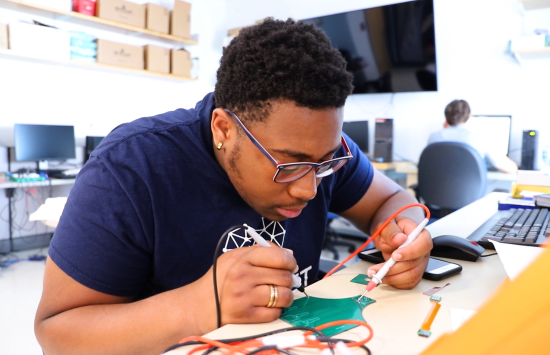
Engineering workforce development programs
Core ENG programs:
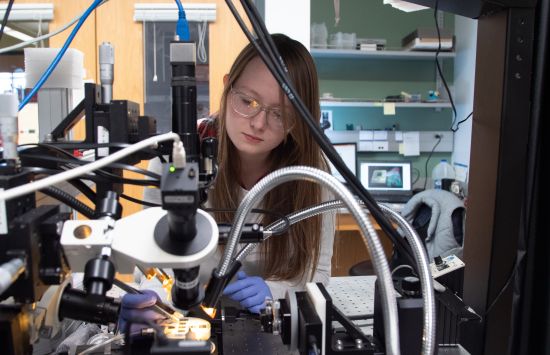
Research Experiences for Teachers in Engineering and Computer Science
Supports summer research experiences for K-14 educators that foster long-term collaborations between universities, community colleges, school districts and industry partners.
Research Experiences for Undergraduates (REU)
Supports intensive research by undergraduate students in engineering and other areas. REU Sites engage a cohort of students in research projects related to a theme. REU Supplements engage students in research related to a new or ongoing NSF research award.
Other opportunities:
Resources for K-12 teachers
TeachEngineering
Funded by NSF, TeachEngineering offers thousands of free, standards-aligned educational resources featuring hands-on, design-rich curricula.
Engineering for Us All (e4usa)
e4usa offers resources to help K-12 teachers effectively integrate engineering concepts into their curriculum. Resources include lesson plans, activities and professional development opportunities for engaging students in hands-on engineering experiences.
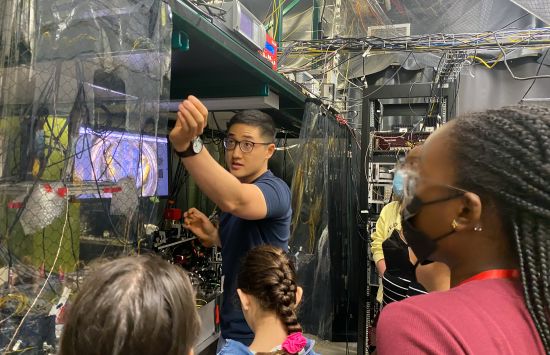
Building engineering capacity
Explore opportunities to expand engineering research, education and training capacity at your institution.
Advanced Technological Education (ATE)
Supports partnerships between two-year institutions of higher education, other academic institutions, industry and other entities to improve the education of technicians in science and engineering.
Established Program to Stimulate Competitive Research (EPSCoR)
Aims to enhance the research competitiveness of specific jurisdictions by strengthening STEM capacity and capability through investments in talent development and local infrastructure.
Historically Black Colleges and Universities - Excellence in Research (HBCU - EiR)
Supports research at public and private historically Black colleges and universities to strengthen research capacity and promote engagement with NSF.
STEM Access for Persons with Disabilities (STEM-APWD)
Invites conference proposals and supplemental funding requests that address the intersections between disability and fundamental science to increase access to and equity in STEM research and training among people with disabilities.
Partner with us
ENG parters with other federal agencies, industry, nonprofits and others on engineering education research and workforce development.
Learn more about ENG partnerships.