



The U.S. National Science Foundation Directorate for Engineering (NSF ENG) invests in fundamental engineering research and education that involves the transformation and transport of matter and energy by chemical, thermal or mechanical means.
These investments fuel emerging and critical technologies, advance health and biotechnology, and secure chemicals, energy and food for the nation, while spurring new artificial intelligence and quantum technologies. They help prepare students across the U.S. to lead at the forefront of chemical engineering, civil engineering, biomedical engineering, bioengineering, biological systems engineering and other fields.
 On this page
What we support
NSF ENG investments in chemical, bioengineering, energy and transport systems research expand what's possible through engineering and address national needs.
Advances in fundamental engineering are essential for future biomanufacturing and tissue engineering; quantum sensing and biomedical imaging; clean water and efficient use of resources; and the production of essential chemicals and fuels.
Core programs
ENG invests in fundamental engineering research and education through core programs. These programs support individual researchers, small teams and interdisciplinary research spanning multiple programs.
Several ENG core programs advance chemical, bioengineering, energy and transport systems:
Chemical Process Systems
Supports research that advances chemical and biochemical processes for chemicals, fuels, energy and materials.
Engineering Biological and Biomedical Systems
Develops platforms, devices, organisms, tissues and processes that advance knowledge and control of biological functions.
Energy, Water and Resource Engineering
Supports research to manage energy, water, minerals and materials resources.
Transport Phenomena
Supports research to understand, model and control the transport of mass, momentum, energy and species across multiple scales.
Centers and research infrastructure
ENG supports multidisciplinary research centers that bring together cutting-edge engineering, industry expertise and workforce development to address complex national challenges. These long-term partnerships allow new ideas to be developed, integrated and tested to make real, beneficial impacts on society.
The NSF AI Institute in Dynamic Systems is advancing fundamental artificial intelligence and machine learning theory, algorithms and applications specifically for safe, real-time learning and control of complex dynamic systems.
The NSF Science and Technologies for Phosphorus Sustainability (NSF STEPS) Center is advancing our understanding, technologies and practices to control, recover, reuse and manage phosphorus, an element essential to food production.
ENG-supported research infrastructure enables groundbreaking discoveries, technologies and solutions that address societal challenges. These shared-use experimental facilities, foundries and tools are accessible to researchers and students across the nation, serving as training grounds for the next generation of scientists and engineers.
The NSF National Nanotechnology Coordinated Infrastructure (NSF NNCI) provides state-of-the-art resources necessary to participate in the nanotechnology revolution. The network's university-based sites provide researchers from academia, industry and government access to leading-edge tools, training and expertise within all disciplines of nanoscale science, engineering and technology.
Education and workforce development
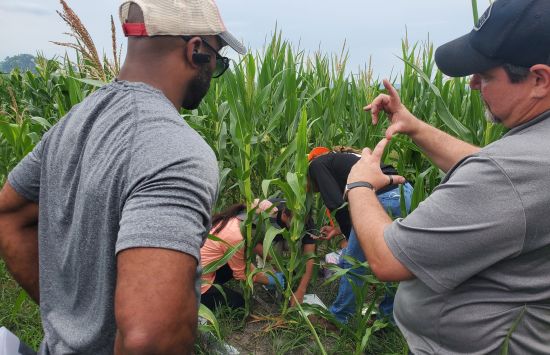
ENG provides opportunities to improve engineering education and expand engineering workforce development. This prepares engineers to lead rewarding careers in industries ranging from healthcare, biotechnology and chemicals, to food, energy and water.
Stay connected
Subscribe to email updates from ENG
Get news on funding opportunities, upcoming events and research highlights.
Become a reviewer
Gain insights into the NSF merit review criteria and what makes a good proposal.
Find funding and contact a program director
Search for programs and funding opportunities and find contact information for program directors. See also "5 tips on how to work with an NSF program officer."
Engineering news
See the latest award announcements and research highlights.