

The U.S. National Science Foundation Centers for Chemical Innovation focus on major, long-term challenges in fundamental chemistry. Supported by the NSF Directorate for Mathematical and Physical Sciences, the centers conduct ambitious research with broad and valuable impacts for America. This work creates a strong scientific foundation for future technologies and the broad chemical industry, which is central to the U.S. economy and daily life.
Among the many breakthroughs achieved by the centers are the creation of an artificial intelligence-based system that autonomously designed and carried out complex chemistry experiments, and the development of new biological systems that make modified proteins with useful properties for drug development and biomaterials.
NSF currently supports six major, multi-institutional Centers for Chemical Innovation — known as Phase 2 centers — and several smaller Phase 1 incubator centers.
By partnering with industry, national laboratories and other organizations, the NSF Centers for Chemical Innovation respond rapidly to emerging research opportunities and national priorities, producing transformative research and ground-breaking innovations. These collaborative centers also serve as a unique training ground for students and early-career researchers who will become the next generation of chemical scientists, engineers, educators and technicians.
NSF Centers for Chemical Innovation (Phase 2)
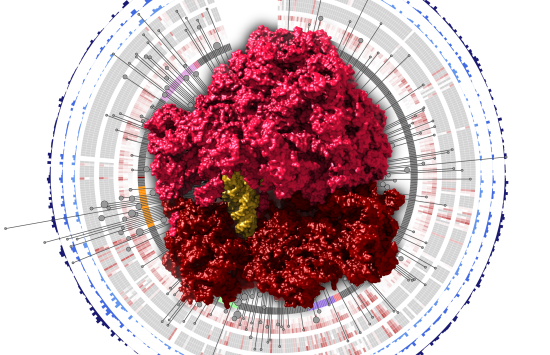
Led by UC Berkeley, NSF C-GEM develops new biologically inspired methods to precisely build and tailor polymers. The center aims to enable new applications based on understanding how to control molecules within polymers, such as information storage, textiles and fabrics, nanosensors and drug discovery and delivery.
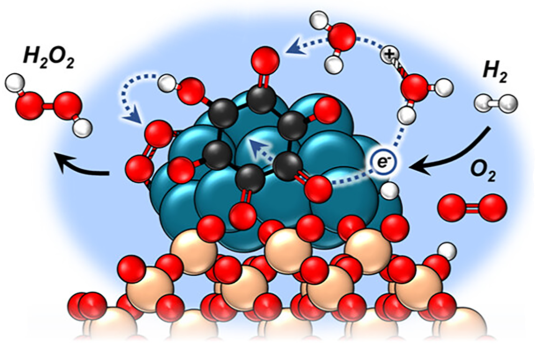
Led by the Missouri University of Science and Technology, NSF CSOE aims to enable broader use of synthetic organic electrochemistry by inventing safe and economic new reactions. The center is merging synthetic organic chemistry and electrochemistry to develop safe and efficient chemical production methods.

Led by Duke University, NSF MONET seeks to uncover the principles underlying the chemical structure and properties of polymer networks and materials based on them, like automobile tires, biomedical implants and structural materials. The center's work can lead to materials and products that last longer and reduce waste.
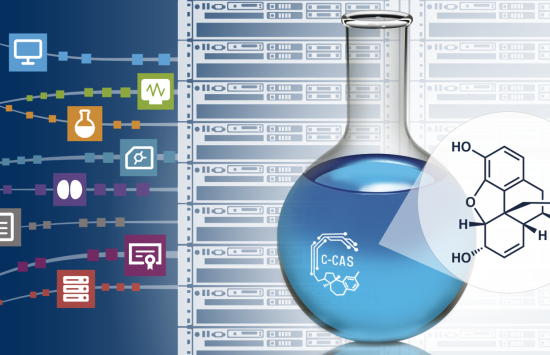
Led by the University of Notre Dame, NSF C-CAS is developing new machine learning methods to enable the discovery of novel reactions and yield new scientific insights. The work has broad potential impacts across synthetic chemistry and the applications it enables, such as medicine, materials science and energy research.
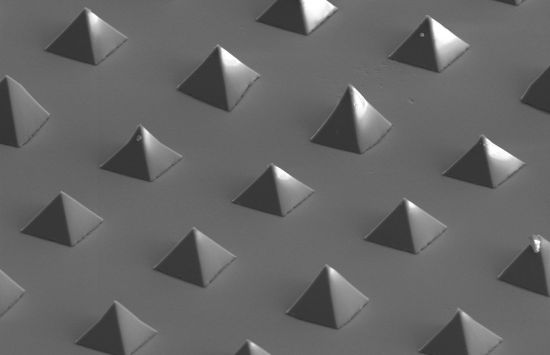
Led by Texas A&M University, NSF CMCC is exploring how the mechanical application of force can enable new advances in chemistry. The center aims to make mechanical chemistry better understood and predictable, with potential applications that include making industrial processes cheaper and safer.
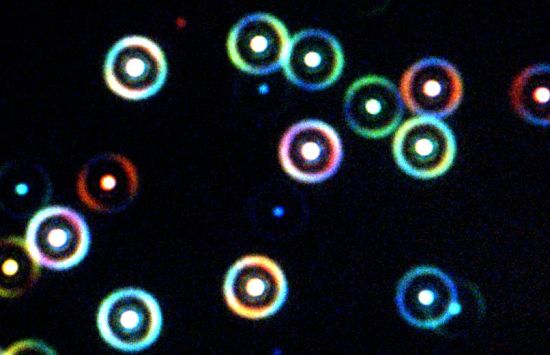
Led by Indiana University, NSF CSENND investigates the structure and function of nanocrystals. The center is developing artificial intelligence-based technologies to rapidly screen nanocrystals in large numbers to identify their properties and potential applications in biomedicine, electronics, fuel production and other areas.
Learn more and get involved
Visit the NSF Centers for Chemical Innovation website to explore the centers and find postdoctoral research fellowships and undergraduate training opportunities.